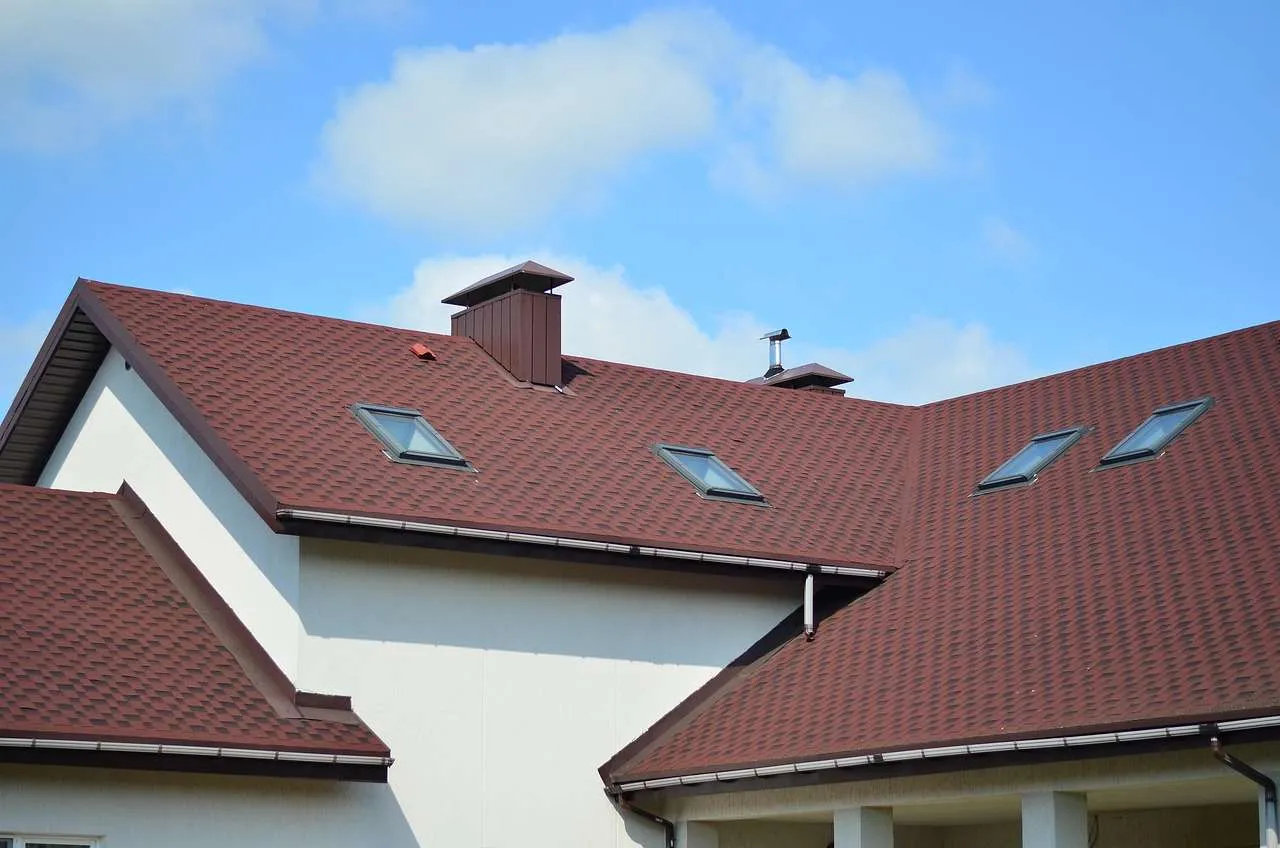
Roofing and Roof Repairs: Expert Guide to Quality Results
By Olivia
February 6, 2026
4 min read

Roofing and Roof Repairs: Expert Guide to Quality Results
Roofing and roof repairs are fundamental to protecting a home from weather, preserving energy efficiency, and maintaining value. This guide explains how to recognize damage, choose repair strategies, and hire a trusted professional. It focuses on practical steps, cost considerations, and the trustworthy practices that align with EEAT — demonstrating expertise, authoritativeness, and trustworthiness.
Understanding Roofing and Roof Repairs
Roofing covers the materials that shield the home, while roof repairs are fixes that restore structural integrity. Regular inspections help catch issues early, often preventing expensive replacements. Whether you own asphalt shingles, metal, tile, or flat roofing, the principles of diagnosis and repair are similar: assess, plan, and execute with quality materials and proper workmanship.
Common Causes of Roof Damage
- Weather: hail, wind uplift, heavy rain, snow load.
- Age: older roofs lose granules, become brittle, and leak.
- Physical damage: fallen branches, foot traffic, improper installation.
- Poor attic ventilation: ice dams and accelerated wear.
Signs Your Roof Needs Repairs
- Visible leaks or stains on ceilings or walls
- Missing or curling shingles
- Shingle granules in gutters
- Sagging roof deck or damp insulation
- Damaged flashing around chimneys or intersections
Types of Roof Repairs
Minor Repairs
Small fixes such as replacing a few shingles, sealing minor leaks, or repairing flashing are often inexpensive and quick when identified early. They preserve roof life and minimize disruption to daily living.
Major Repairs
Leaks traced to deck damage, extensive flashing replacement, or compromised underlayment require more labor and may involve temporary tarping and a larger repair area. These fixes are a bridge to either long-lasting patchwork or a full replacement, depending on overall condition.
Repair vs Replacement
When damage is widespread or the roof is near the end of its lifespan, replacement may be more cost-effective than ongoing repairs. A contractor can evaluate age, material condition, and future weather exposure to advise on the best course of action.
Choosing a Professional Roofing Contractor
Expertise and trust are built through licensing, insurance, warranties, and transparent quoting. Here are practical steps to hire right:
- Verify licensure and insurance; demand proof of coverage and worker protection.
- Check certifications and manufacturer approval for installed products.
- Request written estimates with scope, timelines, and materials listed.
- Ask for references and view completed projects similar to yours.
- Confirm warranties on labor and materials; understand coverage terms.
Cost and Value
Costs vary by roof size, materials, and region. Below is a general guide to typical repair costs and what drives them.
| Repair Type | Typical Cost Range | When It's Used | Pros | Cons |
|---|---|---|---|---|
| Minor shingle repair | $150–$450 | Isolated damaged shingles or small leaks | Fast, less disruptive | Temporary; may recur |
| Flashing repair | $300–$800 | Leaks around chimneys, vents, or transitions | Prevents leaks; durable when properly installed | Labor-intensive in tight areas |
| Vent/boot repair or underlayment patch | $100–$600 | Leaks at vents or low spots | Relatively affordable | May indicate broader moisture problems |
| Roof replacement (necessary when repairs are insufficient) | $5,000–$12,000+ (size/material dependent) | Widespread damage, aged roof, failed repairs | Long-term solution | High upfront cost |
Maintenance Tips to Extend Roof Life
- Schedule annual inspections, especially after severe weather
- Keep gutters clear to prevent water backup and damage
- Trim overhanging branches to reduce debris and impact risk
- Inspect attic insulation and ventilation to avoid ice dams and moisture buildup
- Address issues promptly to prevent escalation and higher costs
Comparison: Repair vs Replacement
Deciding between repairing and replacing a roof depends on age, extent of damage, and future climate exposure. Repairs are ideal for localized issues on younger roofs, while replacement provides a fresh start when the structure has endured multiple problems or when the roof's remaining life is limited. A trusted contractor will weigh life expectancy, labor costs, and warranty terms to guide the choice.
Conclusion
Expert roofing work combines technical skill with honest assessment, quality materials, and reliable warranties. By recognizing signs early, understanding repair options, and choosing a qualified contractor, homeowners protect their investment and achieve lasting results.
Summary: This guide covered the core ideas of roofing and roof repairs, including when to repair vs replace, cost considerations, and how to hire a trustworthy professional to ensure durable protection for your home.